Buying Guides
Is It Cheaper to Repair or Replace a Window?
By Jeremy Holzmeister · · 7 min read
One pane is fogged between the glass. Another window sticks every time you open it. A third has a crack running through the corner of the frame. When a window starts acting up, the repair vs replace window question comes up fast. There is no single answer that fits every window in every home. But there is a reliable way to think it through. Repair usually wins for an isolated, mechanical problem on a window that is otherwise sound. Replacement usually wins once the damage is structural, the glass seal has failed, or several windows in the house hit the same wall at once. Here is how to tell which situation you are in.
When Repair Is Usually the Cheaper Path
A window repair fixes one specific part while leaving the rest of the window in place. That narrow scope is why repair tends to cost less than replacement. It is worth ruling out before you assume a whole new window is necessary.
Repair makes sense when the problem is mechanical or cosmetic, not structural. A window with a square frame and clear glass is a good repair candidate, even if one part has failed. Common repairable issues include:
- A broken sash cord or balance that makes a double-hung window hard to raise or hold open.
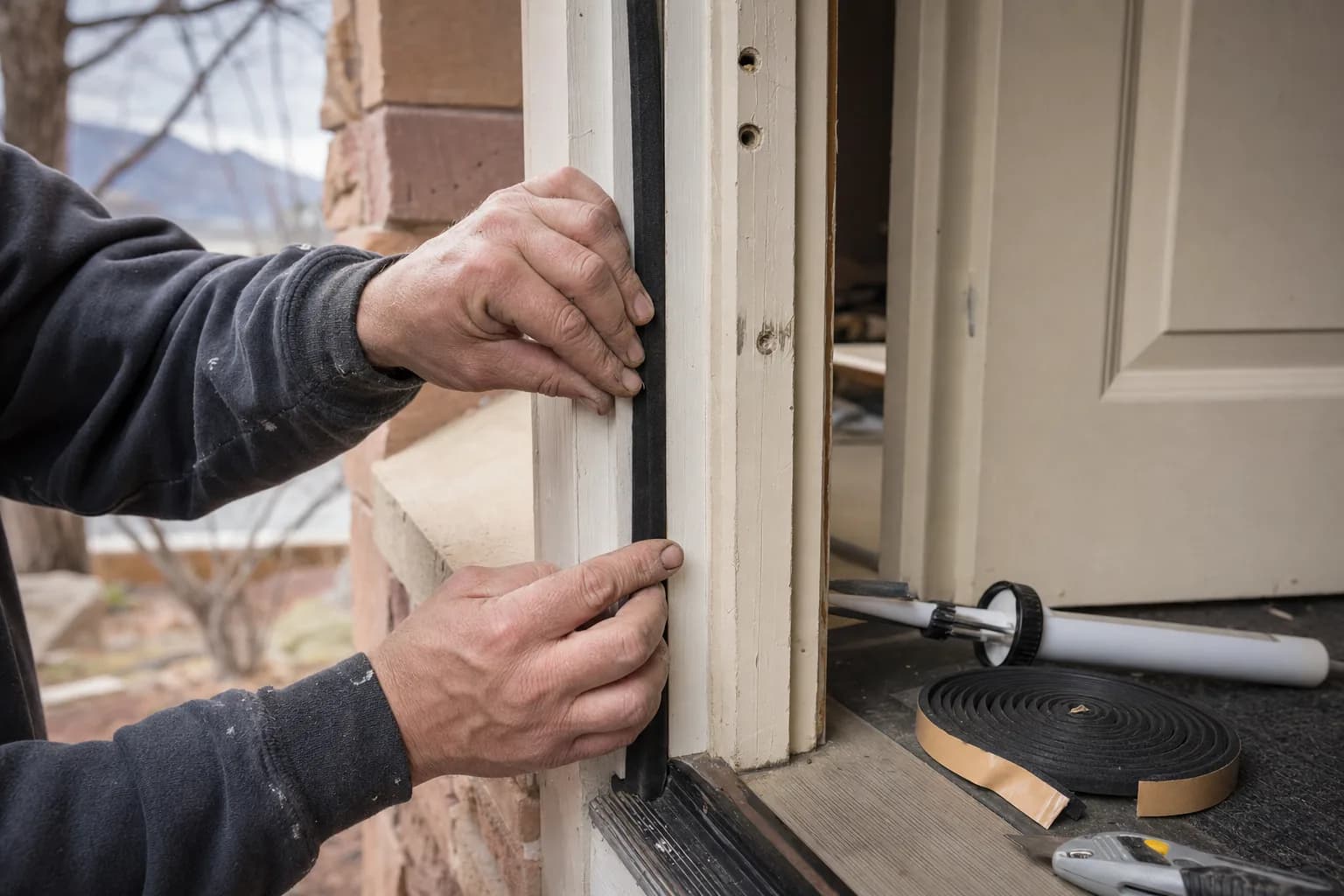
- Worn or torn weatherstripping around an otherwise solid frame.
- A single cracked pane of glass, replaced without touching the sash or frame.
- Failed hardware, including locks, cranks, hinges, and latches.
- Minor wood rot on a sill or trim piece that has not spread into the frame itself.
- A sticking or misaligned sash caused by paint buildup, minor settling, or a bent track.
If the frame and glass unit are still in good shape, fixing the one broken part almost always costs less than replacing the whole window. Repair is also faster. It causes less disruption to the room, and you do not need to coordinate a full installation.
A Quick Note on DIY Repairs
Some of these fixes are within reach for a handy homeowner. Weatherstripping, hardware swaps, and minor caulking are common do-it-yourself projects. Others are not. Handling glass, especially in an insulated unit, takes the right tools and technique to avoid damaging the seal further. Structural work around a frame carries the same risk. A repair done wrong on a window that was otherwise fine can turn a cheap fix into an expensive one, so it is worth being honest about which repairs are truly simple and which ones are better left to someone who does this daily.
When Replacement Usually Wins on Cost Over Time
Replacement starts to make more sense once the damage goes beyond a single fixable part. It also wins when a repair would just need to happen again soon after. A few situations tip the scale toward a new window.
Failed glass seals are the most common one. Double-pane and triple-pane windows use a sealed, gas-filled gap between the panes to insulate well. Once that seal breaks, moisture gets into the gap. It fogs the glass from the inside, in a spot no cleaning will ever reach. There is no repair for a failed seal. The glass unit, and usually the window around it, has to be replaced.
Frame damage is another clear signal. Wood rot that has spread through the frame's structural parts, a warped frame, or cracked vinyl from age and sun all weaken a window's ability to seal and operate. Patching a damaged frame is a short-term fix at best. It tends to fail again. That means paying for the same repair twice before replacing the window anyway.
Age and repeated repairs matter too. A window that has already needed two or three repairs in a few years is telling you something about its overall condition, not just about that one part. Continuing to repair an aging window usually costs more over time than replacing it once.
Efficiency gaps are easy to overlook. An old single-pane or early double-pane window can work fine mechanically and still perform poorly next to current options. Fixing the hardware on a window that never insulated well solves the symptom. It does not solve the real problem.
Looking Past the Immediate Fix
A repair only has to solve today's problem. A replacement window is a longer-term decision, and it is worth weighing more than just the broken part in front of you. Newer window products typically insulate better than older single-pane or early double-pane units, which can mean a more comfortable room and less strain on your heating and cooling system. A new window also resets the clock on hardware, weatherstripping, and glass seals all at once, instead of leaving you fixing each one on its own schedule over the following years. None of that makes replacement the right call for a window that is otherwise healthy. But when a window is already showing multiple issues, that bigger picture is part of why replacement often works out ahead in the long run, even though the upfront job is larger than a repair.
Repair vs Replace Window: A Side-by-Side Comparison
| Situation | Repair | Replace |
|---|---|---|
| Broken hardware, sound frame and glass | Usually the better choice | Rarely necessary |
| Torn weatherstripping, otherwise solid window | Usually the better choice | Rarely necessary |
| Cracked single pane, frame intact | Usually the better choice | Only if damage extends further |
| Foggy glass between the panes | Not possible to repair | Usually the better choice |
| Rotted or warped frame | Short-term fix only | Usually the better choice |
| Window has needed repeated repairs | Diminishing returns | Usually the better choice |
| Multiple aging windows across the house | Case by case | Often more efficient as one project |
How the Number of Windows Changes the Math
The repair vs replace window decision looks different for one problem window than it does for a house full of aging ones. If a single window has an isolated issue and the rest of the home's windows work well, a targeted repair is usually the right call. There is no reason to touch windows that are not causing a problem.
The math shifts when several windows reach the same age and start showing the same wear around the same time. Repairing them one at a time, over several years, often costs more in labor and disruption than addressing them together. It also means living with inconsistent performance while windows fail on their own separate timelines. Homeowners often notice this first as signs that their windows need replacing showing up on more than one window at once, not as a single obvious failure.
Questions to Ask Before You Decide
A few honest questions help sort most repair vs replace window situations quickly.
- Is the problem isolated to one part, such as hardware, weatherstripping, or a single pane. Or does it involve the frame or the sealed glass unit itself.
- Has this same window needed a repair before. If so, how recently.
- Is the window's age closer to the start or the end of its expected service life.
- Are other windows in the home showing similar issues around the same time.
- Does the window fog, sweat between the panes, or feel drafty compared to others in the house. Persistent condensation between the panes in winter almost always points to a failed seal, not something a repair can fix.
- Would fixing the current problem actually solve it, or just delay a replacement that is already close.
If most of your answers point to an isolated, mechanical issue on a sound window, try repair first. If they point to a failed seal, frame damage, or a pattern of repeat repairs, replacement is the more cost-effective choice over time, even though it is the bigger job upfront.
Get an Honest Assessment Before You Spend Anything
The most reliable way to know whether repair or replacement fits your windows is to have someone look at them in person. A window that looks fine from across the room can have a failing seal or hidden frame damage that only shows up on closer inspection. A window that looks rough can sometimes be fixed with a straightforward repair.
Innovate Window and Door offers free estimates for homeowners across Montrose and Western Colorado, including Delta, Grand Junction, Ouray, Ridgway, Telluride, Gunnison, Crested Butte, Cedaredge, and Olathe. We carry ProVia, Andersen, and Pella windows for replacement projects. We will give you a straight answer about whether a repair makes sense, or whether replacement windows are the better long-term investment for your home. Contact us to schedule your free estimate and get a plan built around your windows, not a generic recommendation.
About the author
Jeremy Holzmeister is the founder of Innovate Window and Door, a locally owned window and door company in Montrose, Colorado, with more than fifteen years of experience in the trade. Learn more about our team.