Commercial Doors
Commercial Window Replacement Without Closing Your Business: What to Expect
By Jeremy Holzmeister · · 8 min read
Business owners considering a commercial window upgrade usually worry about one thing more than anything else: how many days the doors will have to stay shut. That worry makes sense. It is also based on a bad assumption. A well-run commercial window replacement process is built around keeping a business open, not shutting it down for a week. Here is what actually happens, phase by phase, when commercial windows get replaced in a building that stays open the whole time. And what to ask before you sign off on a project.
Why "Closed for a Week" Is Rarely the Real Answer
Most fear about commercial window replacement comes from picturing a residential remodel. Dust sheets over every surface. A crew tearing into walls. A home you can't really use for days. Commercial storefront and office window replacement usually looks nothing like that.
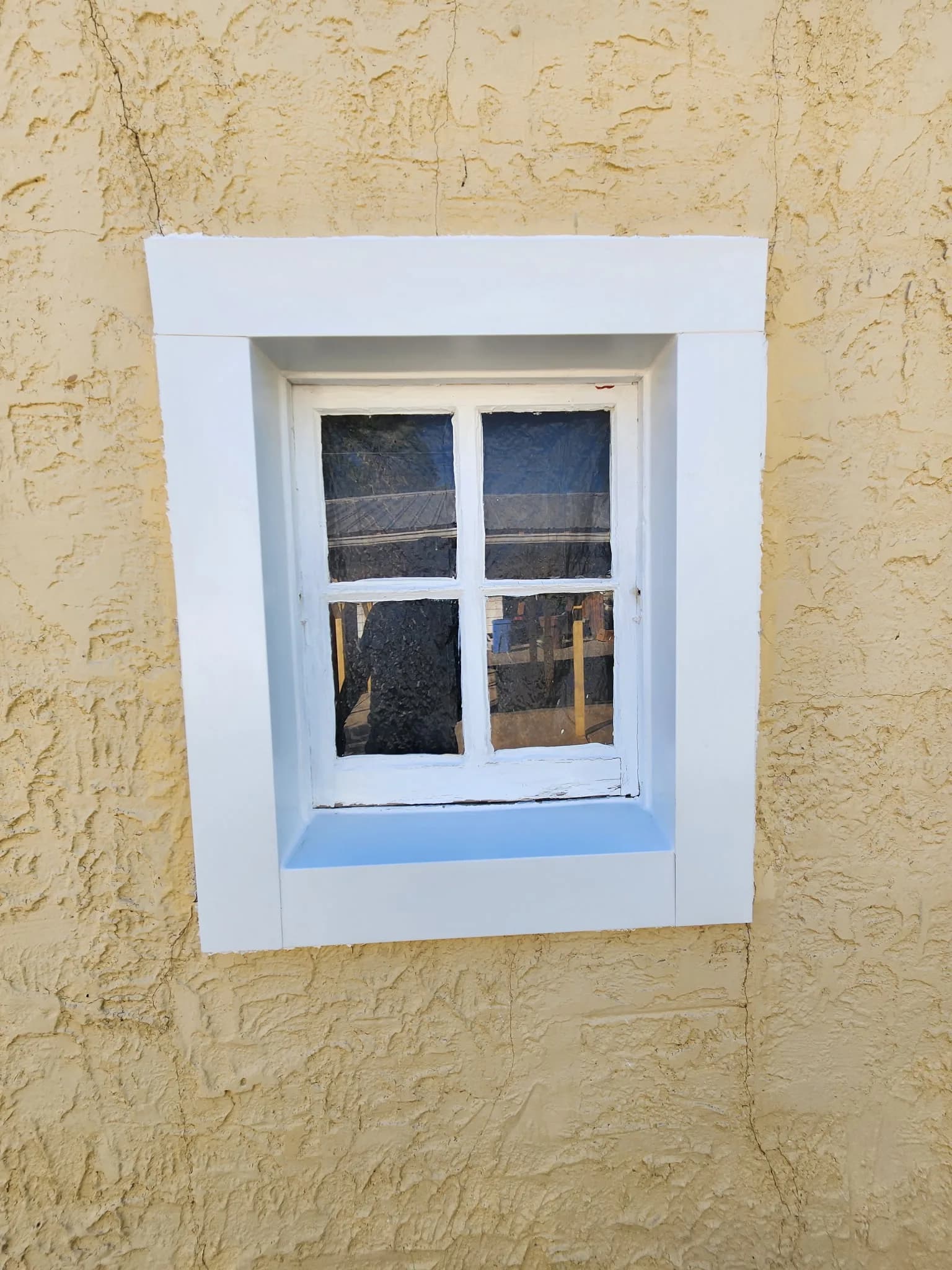
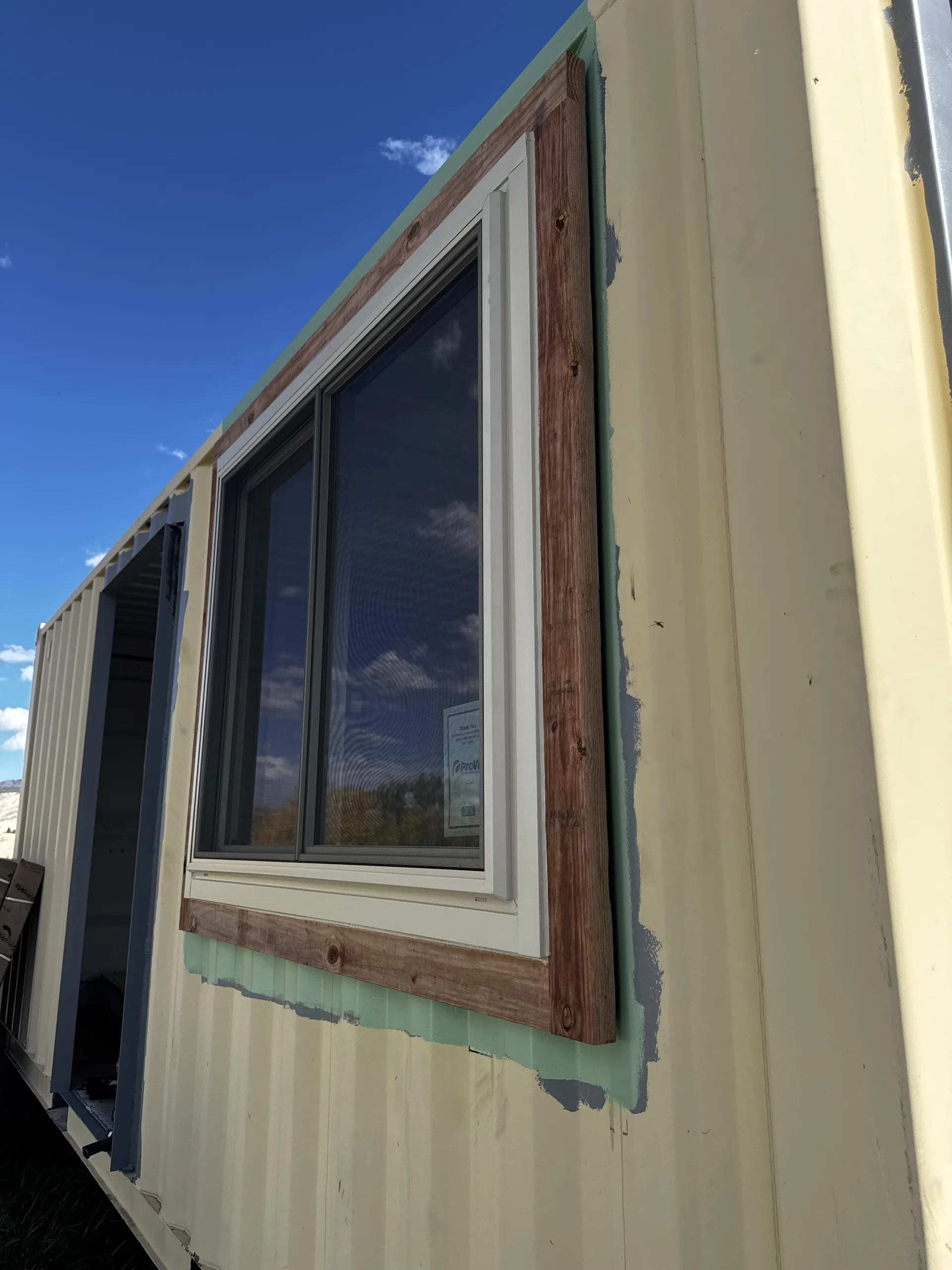
Innovate Window and Door's commercial window replacement work is built around this reality. Most buildings can't sit dark for a week while a crew works. That is why the majority of commercial projects use retrofit (insert) installation. The new window unit is built to fit inside the existing framed opening. The old glazing and sash come out, the new unit goes in, and the frame is sealed and trimmed. The surrounding wall never gets opened up. Work stays contained to the window opening itself. It does not spread into the rest of the building. That is the single biggest reason retrofit projects can happen around a working business rather than instead of one.
There is an exception. Buildings where the frames themselves have failed structurally, or where a project calls for resizing an opening, need a different approach. That scope is called full-frame replacement. It takes longer and involves more of the surrounding wall. A contractor should tell you honestly which category your building falls into before you plan around either timeline.
The Commercial Window Replacement Process, Step by Step
Every commercial project follows roughly the same sequence. The details shift with building type and glazing scope, but the order stays the same.
- Site assessment and measurement. A contractor measures every opening in person rather than working from old drawings. Older commercial buildings often drift from their as-built dimensions. An inaccurate measurement is the single most common cause of delays once fabrication starts.
- Specification and ordering. Commercial-grade window units, especially storefront systems, are shop-fabricated to the measured openings. They are not pulled off a shelf. This is where lead time gets built into the schedule. Plan for weeks, not days.
- Sequencing the work around your hours. Before anything is removed, the crew and the business agree on which openings get done first. They also decide whether work happens during business hours or after them, and how many bays are out of commission at any one time.
- Removal and installation, one section at a time. A well-run crew works in stages. One opening gets closed off with temporary protection while the new unit is set, sealed, and trimmed. Then the crew moves to the next.
- Final sealing, trim, and cleanup. Once glazing is in, the crew finishes flashing and weatherproofing details, restores interior and exterior trim, and clears the work area before moving on.
That staged approach is what keeps a storefront open, keeps an office functioning, and keeps a retail floor selling while the windows behind the counter or along the sidewalk get replaced.
Retrofit vs. Full-Frame Replacement: Which Keeps You Open Longer
Project scope affects downtime more than almost anything else. Here is how the two approaches compare for a business trying to stay operational.
| Factor | Retrofit (insert) installation | Full-frame replacement |
|---|---|---|
| Wall disruption | Minimal, work stays inside the existing opening | Significant, opening is removed to the rough framing |
| Typical business impact | Business usually stays open throughout | May require closing the affected area for periods |
| Best suited for | Sound existing frames, no resizing needed | Damaged or out-of-code frames, opening changes |
| Interior mess | Contained to the immediate window area | Broader, may involve interior wall finishes |
| Common in | Most storefront and office window replacements | Older buildings with structural frame failure |
If your building's frames are sound and the glazing or seals are the real problem, retrofit installation is almost always the right call. It is also the option most likely to let you run your business normally throughout the project.
Scheduling Around Business Hours
Scheduling matters as much as the installation method itself. A few approaches keep disruption manageable.
- Working bay by bay. On a storefront with several window sections, only one or two openings are out at a time. The rest of the glazing, and the rest of the store, stays intact and secure.
- Sequencing around peak hours. For retail and restaurant spaces, the most visible or trafficked openings can be scheduled for slower parts of the day or week. The noisier removal steps get front-loaded early in the morning.
- After-hours work for sensitive spaces. Some office tenants prefer removal and rough installation before or after normal business hours. Quieter finish work happens during the day.
- Temporary weather protection. Any opening left uncovered overnight gets sealed with temporary protection. That keeps the space secure and weathertight until the permanent unit goes in the next day.
None of this happens by accident. A contractor has to ask about your operating hours, your busiest days, and your security needs before the first window ever comes out. Then the schedule gets built around those answers, not around what is easiest for the crew.
What to Expect on Installation Day
Even with careful planning, know what the actual work looks like so nothing feels like a surprise.
There will be noise during removal, especially if old frames need to be cut free or pried loose. That part is usually the shortest and loudest phase. Quieter sealing and trim work follows. Dust and debris stay contained with drop cloths and barriers around the immediate work area rather than spreading through the building. If your storefront includes glass entry doors near the windows being replaced, similar staging protects those systems while the crew works nearby. Our storefront glass doors guide covers what to expect if entry doors are part of the same project. At the end of each day, any opening that is not fully sealed gets temporary weatherproofing. The building stays secure and protected overnight, whether the crew returns the next morning or the project pauses over a weekend.
Common Questions Business Owners Ask
How long does a typical commercial window replacement actually take once installation starts? For a standard set of retrofit windows in an office or small retail space, the on-site work itself is often measured in days rather than weeks once materials arrive, especially when the crew works bay by bay instead of opening the whole building at once. The longer stretch of the timeline is almost always the lead time between ordering and delivery of the fabricated units, not the installation itself.
Will my building be secure while windows are out? Yes, when the contractor stages the work properly. No opening should sit uncovered and unsecured overnight. Temporary protection goes up at the end of every work day until the permanent unit and its trim are fully installed.
Does this work differently for a full storefront system than for individual office windows? It can. Storefront glazing systems are often larger, shop-fabricated assemblies with longer lead times. Individual office or retail windows may be more standardized and quicker to source. If you are weighing a full storefront replacement, our storefront windows post breaks down how that process differs from single-window replacement.
What if some of our openings include commercial doors instead of windows? Combined door and window projects are common in retail and mixed-use buildings. If your project includes entry or service doors alongside the window scope, it helps to understand the material tradeoffs first. Our comparison of hollow metal versus wood commercial doors is a good starting point for that part of the decision.
Can the project pause if our schedule changes mid-project? A good contractor builds flexibility into the sequencing. But once an opening is started, it generally needs to be finished and sealed before the crew moves to the next one. That protects both the weather seal and the building's security. Raise scheduling constraints, including seasonal closures or busy periods you want to avoid, before the project starts rather than mid-installation.
Getting a Realistic Timeline for Your Building
Every building is different. The honest answer to "how long will this take" depends on the number of openings, the condition of the existing frames, and whether the scope is retrofit or full-frame. The best way to get a real answer, rather than a generic estimate, is to have someone measure your specific openings and walk the sequencing with you before you commit to a start date.
Innovate Window and Door works with business owners and property managers across Montrose and Western Colorado to plan commercial window replacement projects that respect operating hours and minimize disruption. If you are weighing a project for your building, contact us for a free estimate and a realistic look at what the process would involve for your specific space.
About the author
Jeremy Holzmeister is the founder of Innovate Window and Door, a locally owned window and door company in Montrose, Colorado, with more than fifteen years of experience in the trade. Learn more about our team.