Energy Efficiency
What Does ENERGY STAR Certification Actually Test For?
By Jeremy Holzmeister · · 9 min read
Every replacement window on the market either wears a blue ENERGY STAR label or claims to qualify for one. Most homeowners never look past the logo before making a decision. ENERGY STAR window testing is the reason that label means anything at all. Behind it sits a set of lab-verified numbers that measure exactly how a window performs, not just whether a manufacturer says it is efficient. At Innovate Window and Door, homeowners across Montrose and Western Colorado ask us what those numbers actually mean almost as often as they ask about price. Here is what ENERGY STAR certification tests for, how that testing works, and why the results carry extra weight in our climate.
What ENERGY STAR Certification Actually Certifies
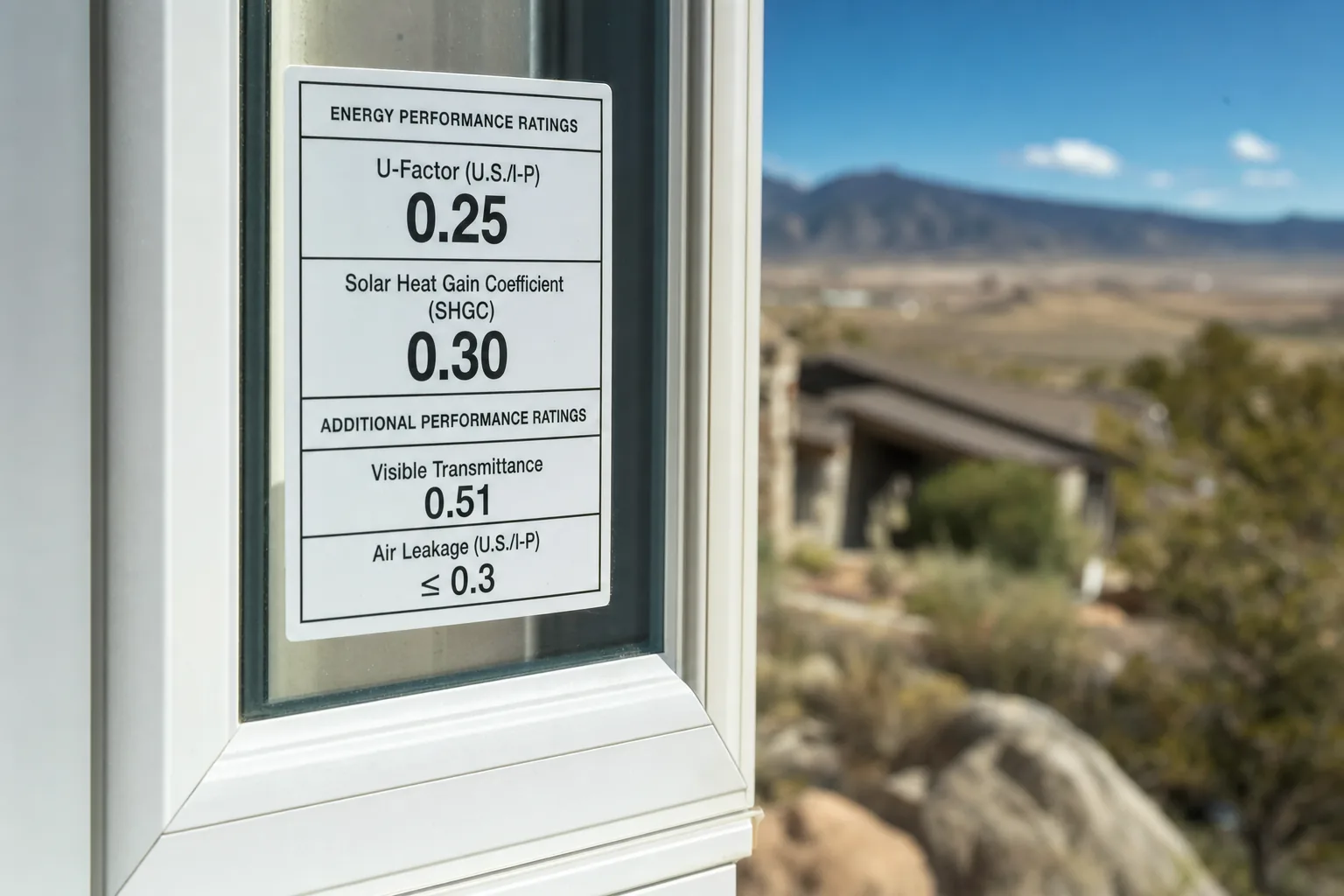
ENERGY STAR is a program run by the U.S. Environmental Protection Agency. For windows, doors, and skylights, the EPA does not run the tests itself. It sets the performance targets a window has to hit. The actual testing and certification comes from the National Fenestration Rating Council (NFRC), an independent nonprofit. A window cannot carry an ENERGY STAR label unless it also carries an NFRC label, and the NFRC label is where the real data lives. You'll usually find that NFRC label as a small sticker on the corner of the glass or the frame, and it stays there until installation. If a salesperson can't produce that label, or a spec sheet for the exact unit you're buying, slow down. That's a fair place to ask more questions before you sign anything.
That matters more than it sounds like it should. A manufacturer cannot just print "energy efficient" on a brochure and call it a day. The rating comes from a third party using standardized methods. That is what lets you compare a window from one brand against a window from another using the same yardstick, not each company's own marketing claims.
The Four Things ENERGY STAR Window Testing Measures
ENERGY STAR window testing measures four performance metrics. Every one of them shows up on the NFRC label attached to a certified window. Learn what each number means, and comparing two similar-looking windows in a showroom gets a lot easier. Two windows can look nearly identical. Same frame color, same grid pattern, same glass tint. They can still perform very differently once you check the numbers printed on the label.
| Metric | What it measures | Lower or higher is better |
|---|---|---|
| U-factor | How much heat transfers through the window assembly (frame and glass together) | Lower is better |
| Solar Heat Gain Coefficient (SHGC) | How much solar heat passes through the glass into the home | Depends on climate and orientation |
| Visible Transmittance (VT) | How much visible daylight passes through the glass | Higher generally means more natural light |
| Air Leakage (AL) | How much air passes through gaps in the window assembly under pressure | Lower is better |
U-factor and SHGC do most of the work here. U-factor is close in spirit to an R-value for insulation, except lower numbers win instead of higher ones. It describes how well the whole window resists heat loss. SHGC describes how much of the sun's heat actually makes it through the glass. In a cold mountain climate, a moderate SHGC can work in your favor. It lets welcome passive solar heat into the home during winter. In a hot, sun-exposed climate, installers usually want that number as low as possible instead, to keep rooms from overheating. Visible transmittance and air leakage matter too. They just rarely decide whether a window passes or fails certification the way U-factor and SHGC do.
How the Testing Itself Works
ENERGY STAR window testing leans on NFRC's own set of standards. It is not one single test. It is a layered process of physical testing and computer simulation. NFRC-accredited independent labs measure a sample unit under controlled conditions. Manufacturers then use that data, along with standardized simulation software, to calculate ratings across every size and configuration they sell. A company might offer one window design in dozens of sizes. Lab-testing every single size isn't realistic, so simulation fills the gap. Certified products also go through ongoing quality checks, so a rating on a label reflects tested performance, not a one-time result nobody ever revisits.
That is also why an NFRC label looks the same no matter who made the window. NFRC standardizes testing conditions, sample sizing, and calculation methods across the entire industry. That consistency is the whole point. It is what lets you put a ProVia window next to an Andersen or Pella window and compare U-factor to U-factor, SHGC to SHGC. You are not relying on any single brand's word for it. When we walk a homeowner through options, we compare the same NFRC numbers across every brand on the table. We are not just picking a favorite and working backward.
Why the Numbers Run Stricter in Colorado
ENERGY STAR does not use one national standard. It splits the country into climate zones (Northern, North-Central, South-Central, and Southern), and a window has to meet different U-factor and SHGC thresholds depending on which zone you buy in. Montrose and the rest of Western Colorado sit in the Northern zone, which carries the strictest U-factor requirements of the four. Under ENERGY STAR's current criteria, Northern zone windows generally need a U-factor of 0.22 or lower to qualify. They also carry a minimum SHGC, so the glass is not so dark it blocks welcome winter sun along with the summer heat you actually want to keep out.
That stricter Northern zone threshold is a big reason triple-pane glass has become common in new construction and full replacements around Montrose, Ouray, Telluride, and Gunnison. A well-built double-pane window with a Low-E coating and an insulated frame can still perform well. But hitting the lowest U-factor numbers usually means adding a third pane, or upgrading to a higher-performance gas fill (argon or krypton instead of plain air) and a warm-edge spacer system. Want a deeper look at whether that upgrade is worth it for your home? Our post on whether energy-efficient windows are worth it walks through the tradeoffs.
Colorado has also moved to tie its statewide building requirements more closely to the ENERGY STAR Northern zone standard. We cover that shift in our post on Colorado's 2026 window energy rules. Homeowners planning a short-term rental in San Miguel County have an extra layer to think about too, covered in our San Miguel County window energy code guide. Practically, this means the old habit of shopping by whatever U-factor "felt good enough" no longer applies. That is true anywhere in the state now, not just the mountain towns. Either way, confirm current requirements with your local building department. Code adoption timelines shift, and enforcement can vary by jurisdiction.
Does Higher Elevation Change What You Need?
Homes at higher elevation around Ouray, Telluride, and Crested Butte see wider daily temperature swings and more direct sun than lower towns like Montrose or Delta. That does not change which ENERGY STAR climate zone applies. Colorado's Northern zone assignment covers the whole state, elevation or not. But it is a good reason to pay attention to SHGC, not just U-factor. A window with a very low SHGC in a south-facing mountain home can leave a room feeling cooler and darker than expected, even when the U-factor number looks great on paper. A sunroom or a great room with tall south-facing glass is exactly where that tradeoff shows up first. It's worth asking your installer to walk through SHGC options room by room, instead of picking one spec for the whole house.
A Quick Checklist Before You Compare Windows
Use this before you sit down with any installer or brand comparison:
- Ask for the NFRC label or spec sheet for the exact model and size, not a general brochure number
- Confirm the U-factor meets the Northern zone threshold (0.22 or lower) if you are buying in Western Colorado
- Ask what the SHGC is, and whether that fits how much sun the specific window will see
- Check that the product carries a rating for your actual climate zone, not just "ENERGY STAR certified" in general
- Get the air leakage number too, especially for a window near a mountain-facing wall
Frequently Asked Questions About ENERGY STAR Window Testing
Does ENERGY STAR test the whole window or just the glass?
The whole assembly. NFRC testing accounts for the frame material, the spacer between panes, and the glass together, because heat and air move through all three. A window with excellent glass but a poorly insulated frame will not necessarily earn the same rating as a competitor with a more balanced design.
Can a window be efficient without carrying an ENERGY STAR label?
Yes. Some high-performance windows exceed ENERGY STAR minimums but were never submitted for certification. NFRC certifies some products for one climate zone but not another. The label is a useful shortcut. The underlying NFRC numbers (U-factor, SHGC, VT, and air leakage) still tell you more than the logo alone.
Does ENERGY STAR testing account for installation quality?
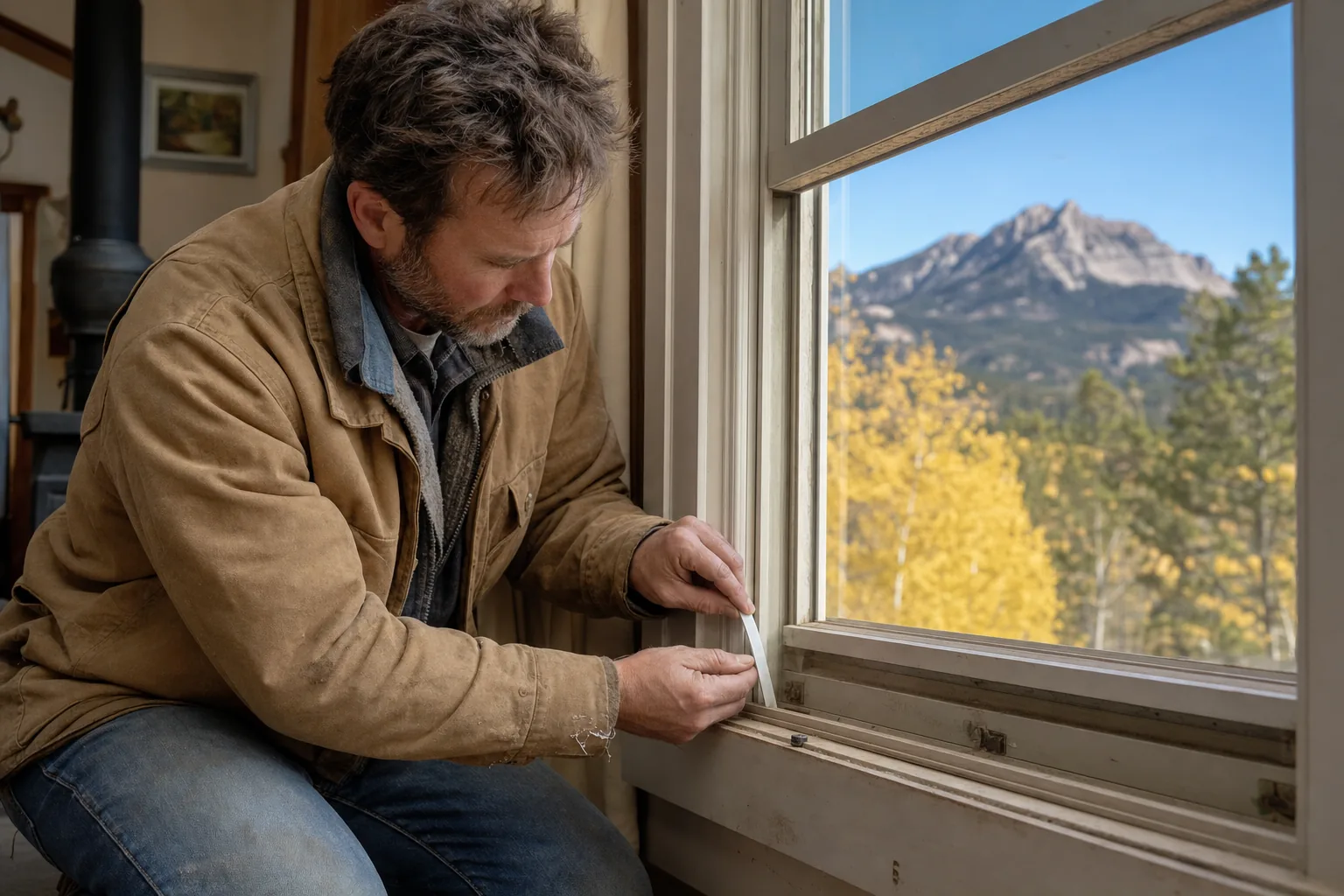
No, and this is the part people miss most often. Certification measures the product itself under lab conditions. Gaps around the frame, poor flashing, or thin insulation at installation can undercut even a well-rated window's real-world performance. Installation quality matters just as much as the spec sheet.
Where do I find the actual numbers before I buy?
Ask for the NFRC label or spec sheet for the specific model and size you are considering, not just a brochure claim. A reputable installer should hand you U-factor and SHGC figures for any product they quote, without you having to dig for them.
Ask Us About the Numbers Behind Your Windows
ENERGY STAR window testing exists so you do not have to take a manufacturer's word for how a window performs. Once you know what U-factor, SHGC, visible transmittance, and air leakage actually measure, comparing brands and product lines gets a lot easier. Spotting a claim that does not hold up gets easier too.
Innovate Window and Door is a locally owned company based in Montrose, Colorado, serving Western Colorado including Delta, Grand Junction, Ouray, Ridgway, Telluride, Gunnison, Crested Butte, Cedaredge, Olathe, and the surrounding communities. We install energy-efficient windows from ProVia, Andersen, and Pella, and we can walk you through the actual NFRC numbers behind any product we quote, for both residential and commercial projects. If you want help comparing windows for your specific home or building, contact us for a free estimate.
About the author
Jeremy Holzmeister is the founder of Innovate Window and Door, a locally owned window and door company in Montrose, Colorado, with more than fifteen years of experience in the trade. Learn more about our team.