Buying Guides
ProVia, Andersen, and Pella: How to Compare Window Brands (Brand-Neutral Guide)
By Jeremy Holzmeister · · 8 min read
Ask three homeowners which window brand is "the best," and you will get three confident, contradicting answers. That's because it's the wrong question. Knowing how to compare window brands like ProVia, Andersen, and Pella isn't about picking a single winner. It's about understanding what each one offers: materials, series tiers, warranty terms, and who is trained to install them. All three build genuinely good products. The right pick depends on your home, your budget, and what you value most in a window.
This guide walks through the factors that actually separate these brands, so you can ask sharper questions once you start collecting quotes for replacement windows.
Start With the Frame Material
Before you look at price, find out what the window is made of. Material drives almost everything else. It affects how the frame handles temperature swings, how much upkeep it needs, and where the window sits in the brand's lineup.
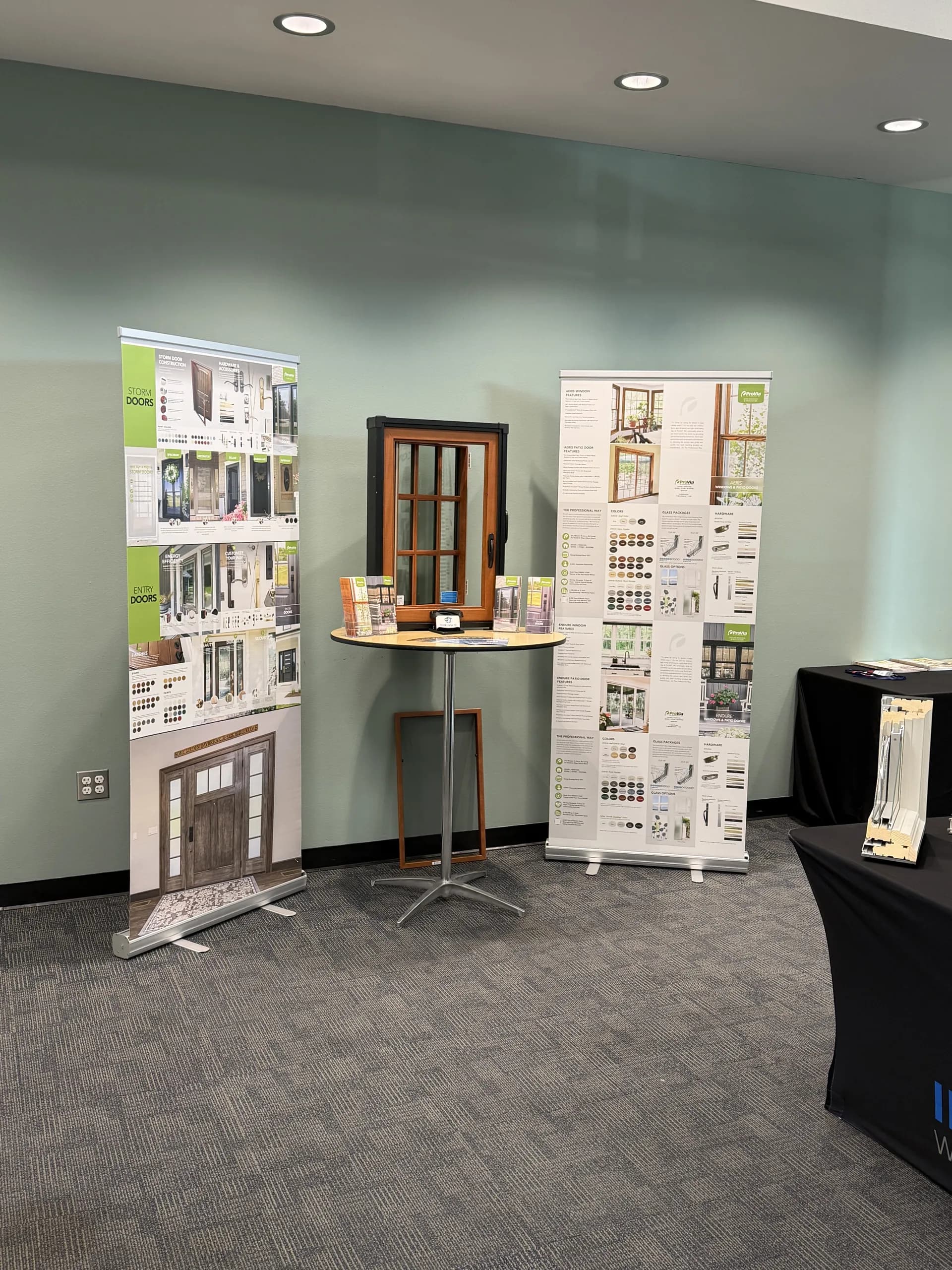
ProVia builds its window lines mostly around vinyl. Endure and Aspect are both vinyl series. Aeris adds a wood-clad interior over a vinyl exterior, for homeowners who want a natural look without the maintenance of solid wood.
Andersen splits its core lineup between composite and wood. The 100 Series uses Fibrex, Andersen's own composite of wood fiber and thermoplastic polymer. The 400 Series is built around a real wood core with a low-maintenance exterior cladding.
Pella covers the widest material range of the three brands. The 250 and 350 Series are vinyl. Impervia is fiberglass. Lifestyle is wood.
None of these materials wins across the board. Vinyl is usually the most budget-friendly and easiest to live with. Fiberglass tends to hold its shape best through wide temperature swings. Wood gives you the most traditional look but asks for more upkeep. Composite tries to split the difference. If you're still weighing one material against another, our vinyl vs. fiberglass windows guide and our wood vs. vinyl maintenance comparison go deeper on that specific decision.
| Brand | Vinyl | Composite | Fiberglass | Wood / Wood-Clad |
|---|---|---|---|---|
| ProVia | Endure, Aspect | Aeris (wood-clad vinyl) | Not a core line | Wood-clad only (Aeris) |
| Andersen | Not a core line | 100 Series (Fibrex) | Not a core line | 400 Series (wood-clad) |
| Pella | 250, 350 Series | Not a core line | Impervia | Lifestyle Series |
Compare Series Tiers, Not Just Brand Names
Here's where most brand comparisons fall apart. A homeowner compares one brand's entry-level series against a competitor's premium series, then wonders why the price and features don't line up. Every major manufacturer runs a tiered lineup. The tier matters as much as the name on the label.
ProVia's Aspect sits in the mid-range. Endure is the premium all-vinyl option, with a heavier glass package. Aeris is the specialty wood-clad line. Andersen's 100 Series is its composite value line. The 400 Series is its most popular wood-clad option. E-Series moves into fully custom shapes and finishes. Pella's 250 Series is the entry vinyl option. The 350 Series steps up with triple-pane capability. Impervia targets buyers who want fiberglass durability. Lifestyle is the wood flagship.
Ask every contractor to name the exact series they're quoting, not just the brand. "Andersen windows" or "Pella windows" tells you almost nothing on its own. Comparing entry-tier vinyl from one brand against a premium wood-clad line from another is not a fair fight. It's also a major reason project costs swing so widely between quotes. For more on that, see our breakdown of what affects window replacement cost.
Read the Warranty Terms, Not Just the Word "Lifetime"
Every major brand advertises a lifetime warranty. Every one of them means something a little different. Reading the fine print is the single most overlooked step in comparing window brands, and it's worth ten minutes of your time.
Start with whose lifetime it covers. Some warranties run for as long as the original buyer owns the home. Others transfer. ProVia's basic window and patio door warranty, for example, is transferable to one subsequent buyer of the home. That matters if you might sell before the warranty runs out.
Next, check what's actually covered. Frame material, glass seal failure, hardware, and finish are often covered under separate terms with different lengths of time. A warranty that covers the vinyl frame for life but the hardware for a shorter window is common. Ask about it directly.
Finally, separate the product warranty from the installation warranty. These are not the same thing. A product warranty covers defects in the window itself. An installation warranty covers the labor and workmanship of the install, and it's often only available through a certified contractor. Andersen's Certified Contractor program, for one, layers an installation warranty on top of the standard product warranty for work done by contractors in that program.
Before you sign anything, ask:
- Is this warranty tied to the original owner only, or does it transfer?
- Which specific parts are covered, and for how long?
- Is there a fee or paperwork step to transfer the warranty later?
- Does the installation itself carry its own warranty, separate from the product?
- What voids the warranty? Improper installation is the usual culprit.
Check Who Is Certified to Install It
A great window installed poorly performs like a mediocre one. This part of comparing window brands gets skipped the most, and it might matter more than the brand name.
Manufacturer certification programs train contractors on that specific brand's installation specs, flashing details, and product quirks. It's not a generic skill. A window that depends on precise shimming and sealing to hit its rated performance will fall short if it's installed off-spec, no matter how good the glass package is. Pella's certified installer program, as one example, requires periodic recertification rather than a one-time credential. That keeps installers current as product lines change.
When you compare quotes, ask each contractor which brands they're certified to install, and confirm the certification is current, not something earned years ago. A contractor certified across multiple manufacturers, who can speak honestly about the tradeoffs between them, is usually better positioned to help you compare than one who only sells a single brand. That's part of why we install ProVia, Andersen, and Pella instead of pushing one manufacturer.
Factor In Western Colorado's Climate
Montrose and the surrounding valleys see wide daily temperature swings and strong UV exposure at altitude. That doesn't rule out any one brand. But it does affect which series and glass package make sense for your project.
Materials that expand and contract more with temperature need tighter installation tolerances. Stronger Low-E coatings and gas fills help manage both summer heat gain and winter heat loss, and all three brands offer upgraded glass in their higher tiers. Frame color matters more here too. Darker exterior finishes absorb more solar heat, which can affect long-term material performance on south- and west-facing walls.
None of this crowns one brand the winner for our region. It just means the material and series decision should account for sun exposure and how the home is used, not style alone.
How to Compare Window Brands Once You Have Quotes
Once you understand material, series tier, warranty terms, and certification, put it in writing. A simple comparison sheet keeps quotes honest. It also makes it obvious when one bid isn't apples-to-apples with another.
| What to Record | Why It Matters |
|---|---|
| Brand and exact series name | Prevents comparing entry-tier to premium-tier by accident |
| Frame material | Drives maintenance, expansion behavior, and cost tier |
| Glass package (coatings, gas fill, pane count) | Directly affects year-round comfort and energy performance |
| Warranty coverage by component | Frame, glass seal, and hardware often carry different terms |
| Warranty transferability | Matters if you might sell the home |
| Installer's certification status | Confirms training on that specific product line |
| Installation warranty (separate from product) | Covers workmanship, not just the window itself |
Fill this out for every bid, and the "best brand" question tends to answer itself. In most cases, the right window is the series and glass package that fits your home's exposure and budget, installed by someone certified to do it right.
Get a Straight Comparison, Not a Sales Pitch
Comparing window brands shouldn't require a materials science degree. It should just require a contractor willing to lay out the real differences, instead of steering you toward whichever line pays the best commission.
We install ProVia, Andersen, and Pella, so we can walk you through the actual tradeoffs between series and materials for your specific home. We don't start from one brand and work backward. If you're ready to see how these options stack up on your own house, contact us for a free estimate. We'll walk the property, talk through what each brand offers at the tier that fits your project, and give you a straight answer. No matter which name ends up on the window.
About the author
Jeremy Holzmeister is the founder of Innovate Window and Door, a locally owned window and door company in Montrose, Colorado, with more than fifteen years of experience in the trade. Learn more about our team.