Buying Guides
Do You Need a Permit to Replace Windows in Colorado?
By Jeremy Holzmeister · · 7 min read
Staring at a drafty old window and wondering if you need a permit before you swap it out? You are asking the right question first. The short answer to the window replacement permit Colorado question is "it depends." One thing decides it: are you putting the new window in the exact same opening, or are you changing the structure around it? Get that wrong and you risk a stalled home sale. Or a failed inspection. Or a call from your insurance company at the worst possible moment.
This guide breaks down how permit decisions usually get made for home window projects in Colorado. It covers what tends to trigger a permit, and how to confirm the rules for your address before you order a single window.
Window Replacement Permits in Colorado: The Short Answer
Your city or county handles building permits in Colorado, not the state. So the answer to "do I need a permit" can differ from Montrose to Delta to Ouray County, even for two houses built the same year. There is no single statewide rule for window permits.
Strip away the local paperwork, though, and most offices follow the same logic. Same rough opening, same size, no change to the framing around it: that is usually a repair. No permit needed. Change the size of the opening, the header above it, or how the window works as an emergency exit, and most offices want a permit and an inspection.
Rules vary by city and county. The only way to know for sure is to call the building department where the work is happening. Treat everything below as the general pattern, not a substitute for that call.
Like-for-Like Replacement: When You Likely Will Not Need a Permit
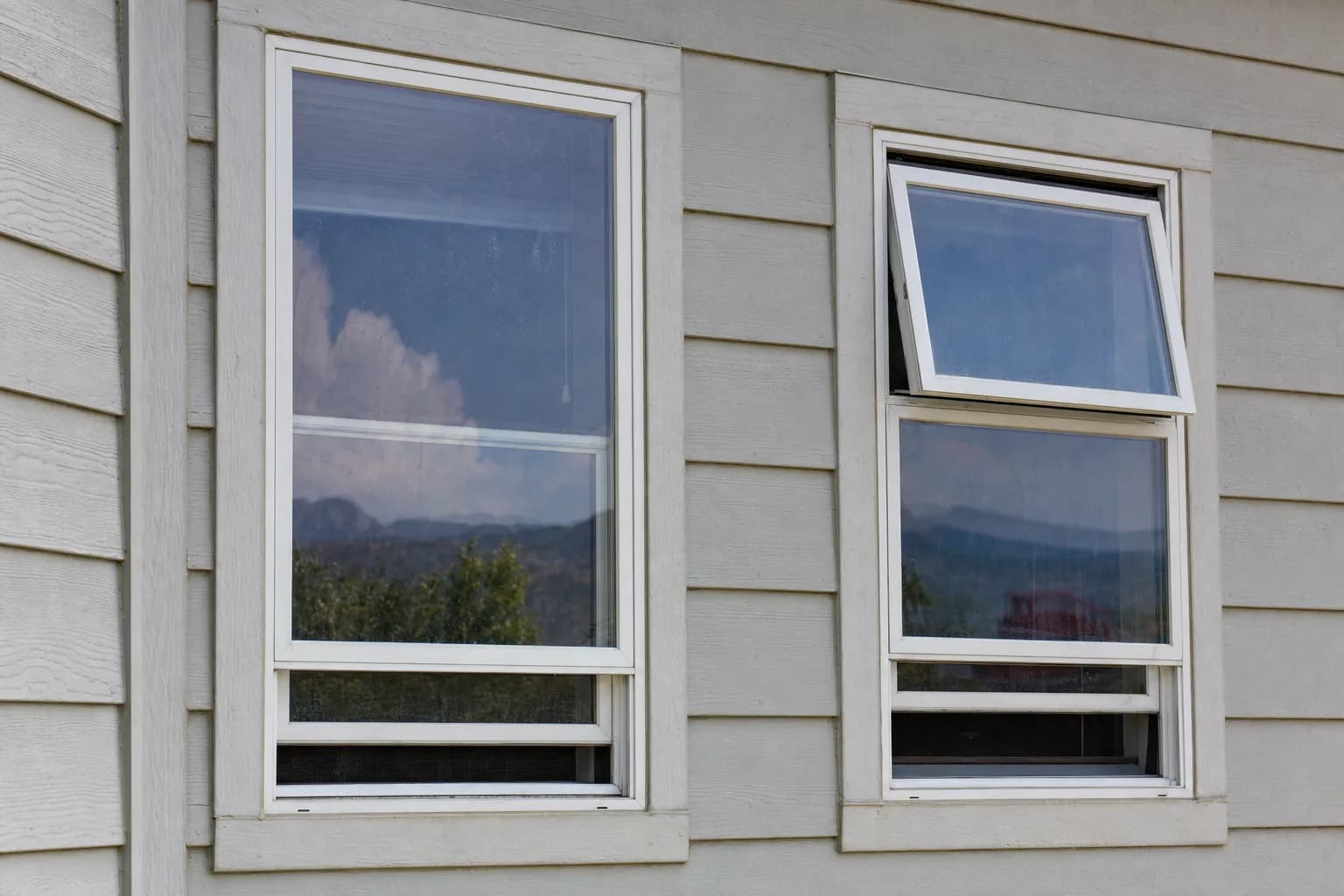
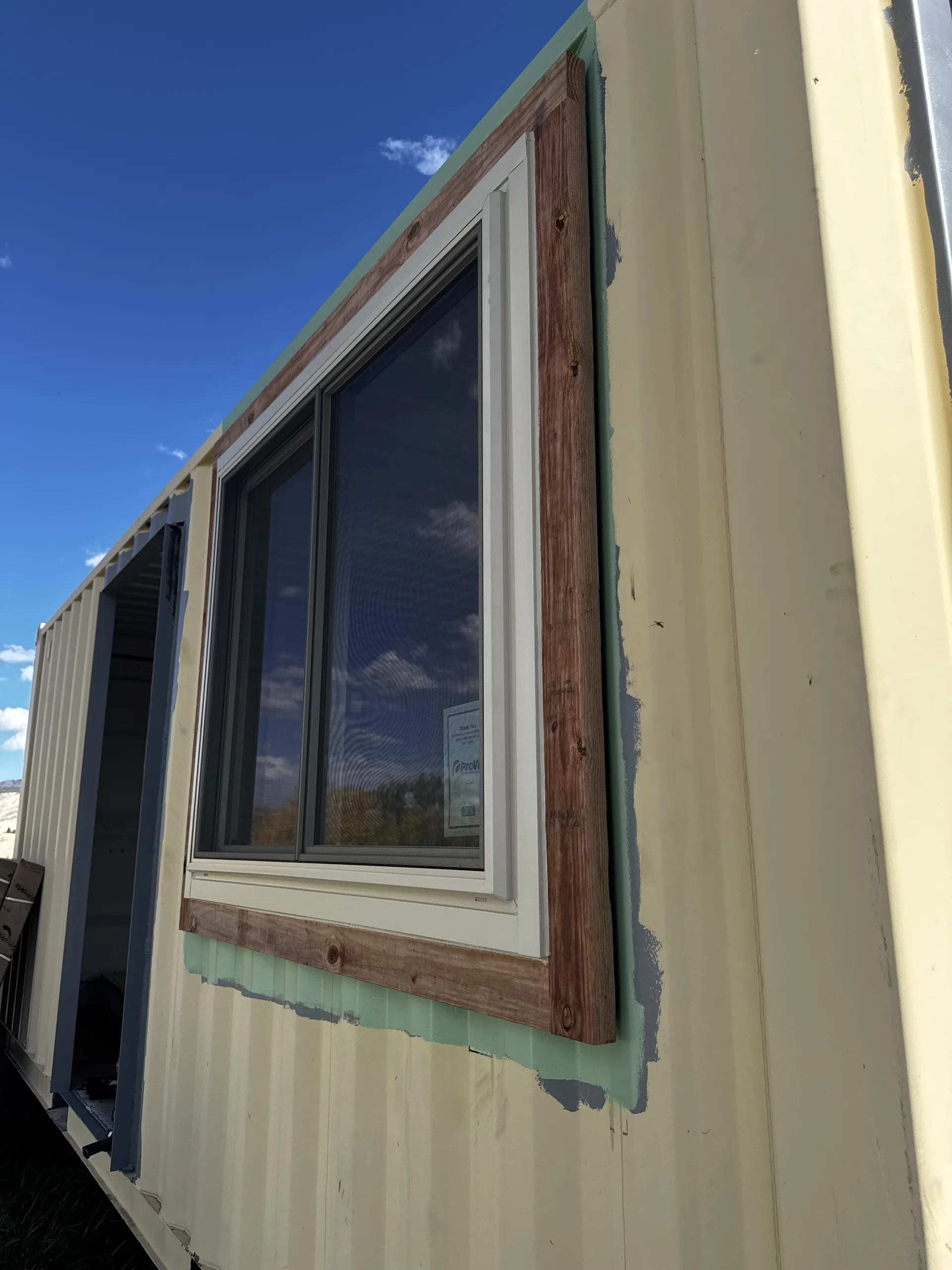
A like-for-like window replacement fits into the existing rough opening, matches the old size, and needs no changes to the framing or header. This is the most common type of window project. Homeowners swap old, failing windows for new ones in the same spot, and most building departments treat it as routine maintenance, not new construction.
Here is what usually keeps a project in like-for-like territory:
- Same width and height as the window being removed
- Same rough opening, with no framing cut or altered
- Same wall location, not moved to a different spot
- No change to the header size or structural support above the opening
- Glass that still meets current safety code where required (near doors, stairs, or bathtubs, for example)
Even when no permit is required, the new window still has to meet the building and energy codes that apply to the product itself. Skipping the paperwork does not mean skipping the code.
Skipping a permit that was actually required is a different problem. It rarely shows up right away. It shows up later, at closing, when a home inspector or an appraiser flags unpermitted work and the sale stalls while someone tries to sort it out. It can show up with your insurance company too, if a claim ever traces back to work that never got signed off. None of this means every project needs paperwork. It just means the five-minute call is worth making when you are not sure which category your project falls into.
Structural Changes, Egress, and Historic Districts: When a Permit Is Required
Once a window project stops being a straight swap, most building departments want a permit application. The usual triggers: making the opening bigger, moving it, changing the header or framing, or altering a window that serves as an emergency exit.
Egress Windows in Bedrooms
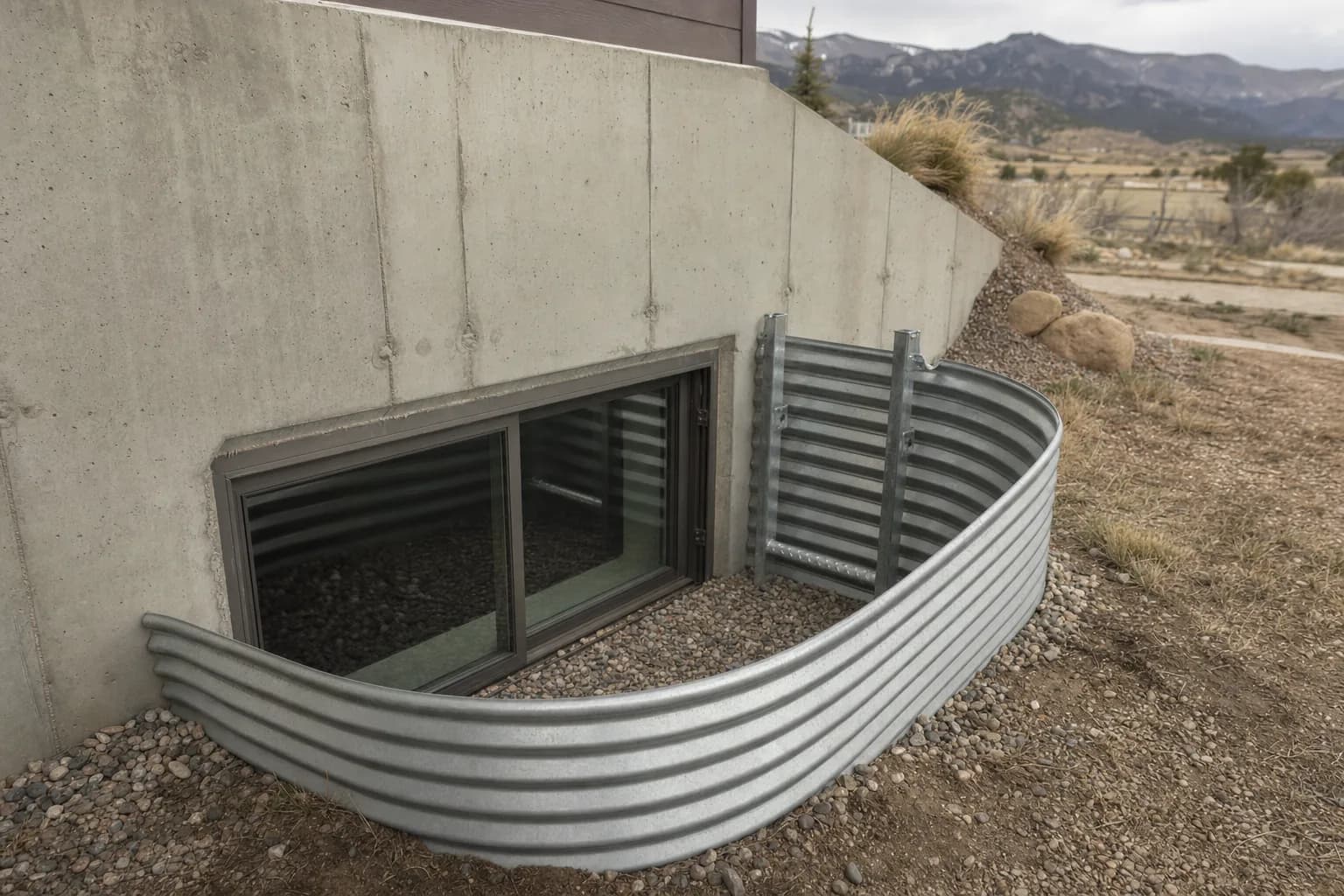
Bedrooms and finished basement rooms generally need a window or door big enough for someone to escape through in an emergency. If your project only replaces the glass and sash, and the opening stays the same size, most offices will not make you upgrade to current egress sizing. But if you are enlarging the opening, adding a window where none existed, or trying to bring a bedroom window up to code, expect to need a permit and an inspection.
Historic Districts and Older Homes
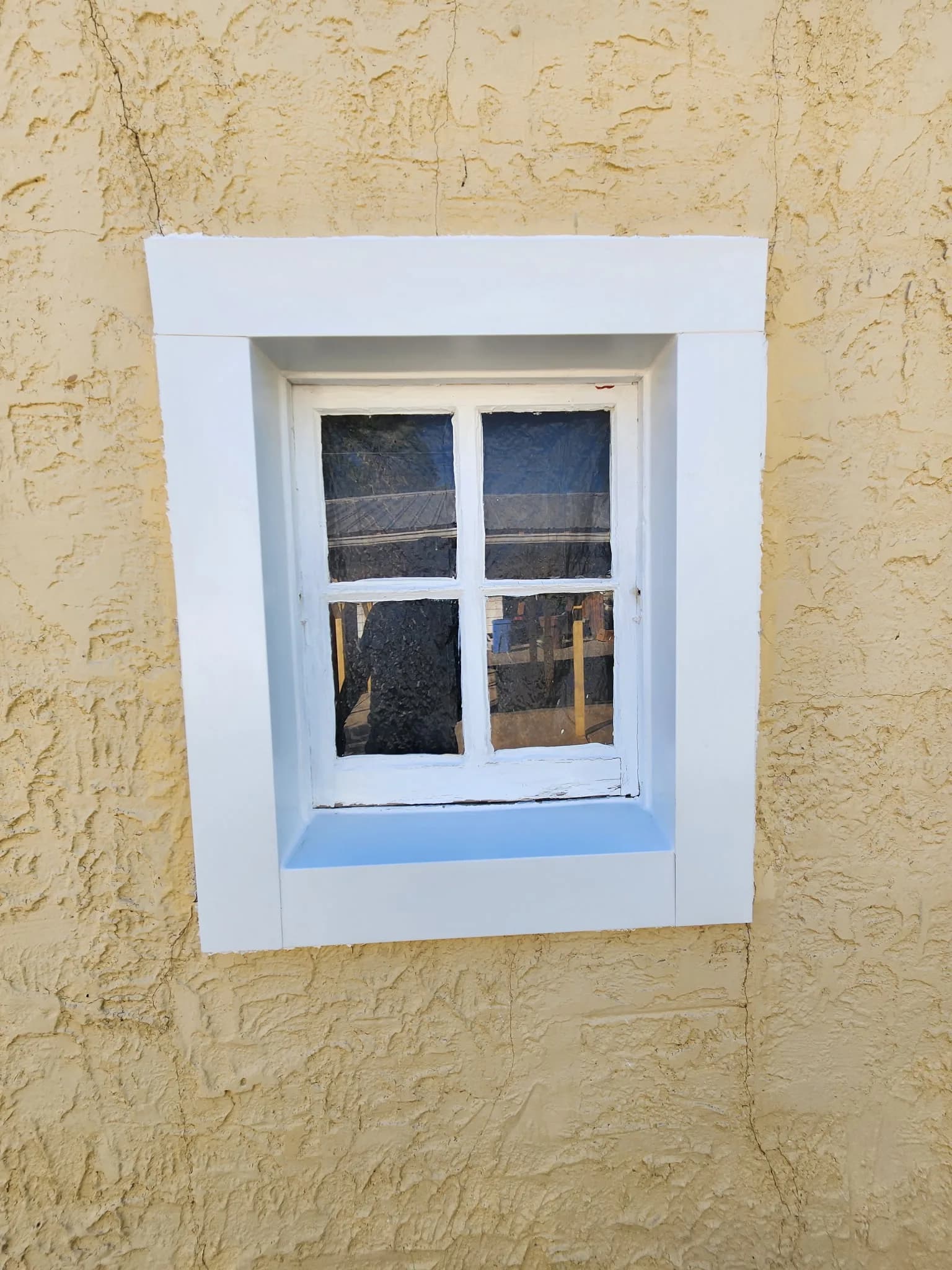
Homes in a historic district, including parts of some Western Colorado mountain towns, often face extra design review on top of the standard permit. That is true even for a routine replacement. The review usually protects the exterior look: matching the original window profile, the grille pattern, or the trim. It is not about structure the way a normal permit is. If your home sits inside a historic overlay, plan for that extra step and call the local preservation office early. We cover this in more depth in our posts on Ridgway building permit rules for window replacement and Telluride's historic district window rules.
Comparing Scenarios at a Glance
| Project Scenario | Permit Typically Required? |
|---|---|
| Same size, same opening, same location | Usually no |
| Enlarging or relocating the rough opening | Yes |
| Changing the header or structural framing | Yes |
| Resizing a bedroom window for egress | Yes |
| Exterior change in a historic district | Often, subject to design review |
| New window opening where none existed | Yes |
| Commercial storefront or fire-rated assembly | Yes |
This table shows the general pattern across most Colorado jurisdictions. It is not a substitute for confirming the rule with your own city or county. Local rules differ, sometimes block by block in older neighborhoods.
Colorado's 2026 Window Energy Code and Your Replacement Project
Separate from local permit rules, Colorado now has a statewide energy standard for the windows themselves. Under a state law known as HB 23-1161, most new residential windows sold in Colorado must hit a U-factor of 0.30 or lower starting January 1, 2026. That is a point-of-sale rule. It governs what window products can be sold in the state going forward. It does not force homeowners to remove or upgrade windows already installed in their homes.
For a homeowner planning a replacement project, the effect is simple. New window products sold in Colorado already trend toward better energy performance. ProVia, Andersen, and Pella all offer glazing packages that meet or beat the current standard. Weighing retrofit versus full-frame installation for an older home? Our retrofit vs. full-frame window replacement guide breaks down how that choice affects performance, and in some cases, whether a permit gets triggered at all.
Keep the energy code and the permit question separate in your head. One governs what a manufacturer can sell you. The other governs whether your city or county wants paperwork on file. A window can meet every energy requirement on the books and still need a permit if it changes the size of the opening. Or it can need no permit at all and still be a meaningful upgrade in comfort and performance over what you are replacing.
How to Confirm Requirements Before You Start
The final word always belongs to your local building department. Run through this checklist before you order windows or schedule installation:
- Call the building department for the city or county where the home sits
- Describe the project plainly: same-size swap, or a change to the opening, header, or window location
- Ask directly whether a permit and inspection apply to that scope of work
- If the project touches a bedroom window, ask about egress rules
- If the home sits in a historic district or a neighborhood overlay, ask about design review separate from the building permit
- Ask what paperwork, if any, they want on file (some offices want nothing more than a note for like-for-like work)
- Write down the staff member's name and the date, in case questions come up later
A five-minute phone call up front is far cheaper than reworking a job over a missed permit. Most Colorado building departments answer these questions for free. They would rather take the call before the work starts than after.
Get a Straight Answer for Your Project
Permit rules for window replacement in Colorado come down to your project and your local office. The only reliable answer comes from your building department. What Innovate Window and Door can help with is everything else: sizing the right replacement window for your home, telling you honestly whether your project looks like like-for-like or structural work, and working alongside local requirements where our installation crews already have experience.
Browse our full lineup of residential replacement windows to see the ProVia, Andersen, and Pella options available for Montrose and Western Colorado homes. Or contact us for a free estimate. We will walk through your project with you, permit questions included.
About the author
Jeremy Holzmeister is the founder of Innovate Window and Door, a locally owned window and door company in Montrose, Colorado, with more than fifteen years of experience in the trade. Learn more about our team.