Buying Guides
Best Time of Year to Schedule Window Replacement in Colorado
By Jeremy Holzmeister · · 9 min read
If you've started asking when to replace windows in Colorado, you've probably run into conflicting advice. Wait for summer. Avoid winter at all costs. Book a spring slot before every contractor in the county gets busy. The truth is more practical than any of that. Colorado's weather swings hard between elevations and seasons, from the dry heat of the valley floor to an early snow squall in the high country, and a well-run installation crew plans around that instead of hiding behind a calendar. The real question isn't which month is magic. It's which season fits your project's scope, your home's condition, and how much disruption you can live with while the work gets done. Every season here supports window replacement when the crew doing the work knows how to prepare for it, so this guide matches the season to your actual priorities instead of chasing a single "correct" month.
When to Replace Windows in Colorado: Does the Season Really Matter?
Modern windows, sealants, and spray foams install cleanly across a wide range of temperatures, so the outdoor thermometer matters less than most homeowners assume. What actually drives a good outcome is preparation: an experienced crew, the right materials for the conditions, and a plan for keeping conditioned air where it belongs while the old unit comes out and the new one goes in. This is true whether the project happens on a mild fall afternoon or a cold January morning. The materials used in a modern window installation, from low temperature spray foam to weatherstripping designed for a full range of climates, hold up on their own merits rather than depending on ideal outdoor conditions. That shifts the real decision away from "which month is warmest" and toward "which season lines up with how I want this project to go."
That said, timing still affects three things worth thinking about before you schedule replacement windows:
- Comfort during the work. A crew working with open wall cavities on a 20 degree day moves differently than one working on a 70 degree afternoon.
- Scheduling flexibility. Demand isn't flat across the year, so lead times stretch and shrink by season.
- How soon you start seeing the benefit. New windows improve comfort and energy performance the moment they're sealed in, so getting them installed before your home's toughest season pays off faster.
None of those factors rules out any particular month. They just change what you should expect.
Spring: Fresh Start, Muddy Timing
Spring in Western Colorado is a season of extremes. One week brings warm sun and melting snowpack, the next brings a late storm that dumps a foot of wet snow overnight. For window replacement, that unpredictability cuts both ways. On the plus side, scheduling a project in spring gets your home ready before the busy summer season, whether that means hosting guests, tackling other renovation projects, or simply enjoying open windows without drafts. On the downside, mud season can complicate site access and landscaping protection, and a surprise storm can push a scheduled install day by a day or two. A reputable installer builds that flexibility into the plan rather than pretending it will not happen, and treats a weather delay as a normal part of spring scheduling rather than a surprise that derails your project.
Summer: The Popular Choice, With a Catch
Summer is when most homeowners think about home improvement, which means installation calendars fill up fastest during these months. Warm, stable weather makes for comfortable working conditions, and homeowners often like getting projects wrapped up before the fall school and holiday rush. The catch is availability. Because summer is the default choice for most of the market, waiting until July to call for an estimate often means a longer wait for an install date than you would get in a slower month. If summer is genuinely your best window, the fix is simple: get your estimate scheduled as early in the year as you can, even if the leaves have not budded yet. Booking in February or March for a June or July install date is common practice among homeowners who know their calendar is tight and want first pick of available slots.
Fall: Often the Sweet Spot
Ask an installer which season tends to run smoothest, and fall is a common answer. Days are still mild, nights start cooling off, and the rush of summer scheduling has typically eased. That combination often means shorter lead times and a calmer job site. Fall also has a practical energy advantage. Replacing drafty, failing windows before the coldest stretch of the year means your home benefits from better insulation right when you need it most, rather than limping through another winter on old seals. If your current windows are already showing their age (fogging between panes, drafts you can feel with your hand, wood trim starting to show rot), fall is a strong window to close that gap before the mercury drops and before the first hard freeze puts extra strain on any window that is already failing.
Winter: Yes, You Can Replace Windows in Winter
This is where a lot of homeowners assume the answer is simply "wait." It is not. Installers work through the Colorado winter, and with the right process, a cold weather replacement is a normal, well controlled job rather than a gamble. Homeowners in mountain towns and valley neighborhoods alike schedule winter replacements every year, often because a failed seal, a cracked pane, or a drafty frame will not wait until spring on its own. What separates a smooth winter install from a rough one is not the temperature outside. It comes down to whether the crew has a clear process for limiting how long any part of your home sits open to that temperature while the work happens.
The key is discipline in how the work gets sequenced.
| Winter installation practice | Why it matters |
|---|---|
| One window at a time | Limits how long any single opening stays open to outside air. |
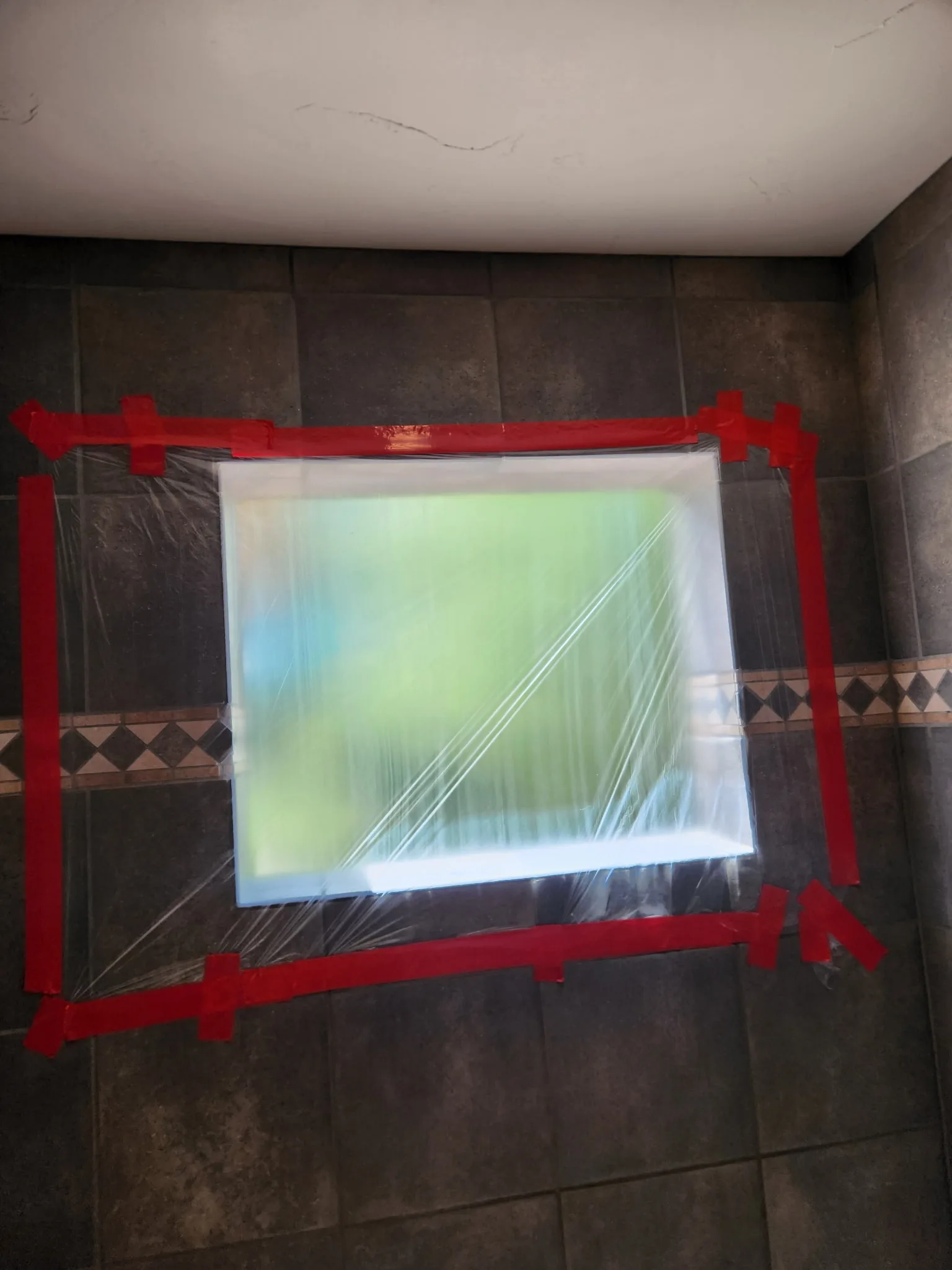
| Room isolation with temporary barriers | Keeps heat loss contained to the one room in progress, not the whole house. |
| Efficient removal to install sequencing | Minimizes the window between old unit out and new unit sealed. |
| Cold weather rated sealants and foams | Ensures the seal performs as designed even in low temperatures. |
Done this way, a winter install does not mean your living room sits open to a snowstorm for an afternoon. It means a crew that knows how to work fast, protect the space, and get the new window sealed and weathertight before the room has a chance to lose meaningful heat. If you are already planning ahead for cold weather ownership, our winter window checklist for Colorado homes covers the maintenance side of that same conversation.
Winter does come with one real advantage. It is typically the slowest season for installers, which can mean more flexible scheduling and more attention on your specific project.
Comparing the Seasons at a Glance
| Season | Best for | Watch out for |
|---|---|---|
| Spring | Getting ahead of summer plans | Mud season, sudden storms |
| Summer | Comfortable working conditions | Longer lead times, book early |
| Fall | Balanced scheduling, pre-winter energy savings | Shorter daylight for larger projects |
| Winter | Flexible scheduling, urgent replacements | Requires an experienced, well prepared crew |
How to Decide What Is Right for Your Home
Rather than picking a season first, work backward from your actual situation. Answer these questions before you schedule:
- How large is the project? A single failed unit is a quick job in almost any season. A whole house replacement benefits from more daylight and milder weather, which usually points toward spring, summer, or fall.
- How urgent is the problem? Cracked seals, visible rot, or windows that will not latch should not wait for the ideal season. Understanding how long window replacement takes can help you plan around the timeline rather than the calendar.
- Are you replacing frames or just the window units? If you are weighing a full frame replacement against a retrofit approach, our guide to retrofit versus full-frame window replacement breaks down how that decision affects both cost drivers and scheduling.
- What is your tolerance for disruption? Families with young kids or a home office in daily use may prefer a slower season with more flexible scheduling over a rushed summer slot.
- How far out are estimates and lead times running? Ask directly. A good installer will tell you honestly rather than promising a date they cannot hit.
Quick Answers on Timing
Is winter really a bad time to replace windows in Colorado? No. It is the least popular time, not the least effective one. An installer who isolates the work room, moves efficiently, and uses cold weather rated materials can complete a winter replacement with the same long term performance as a summer one. The main trade off is comfort for the crew and homeowner during the work itself, not the quality of the finished install. A window sealed correctly performs the same regardless of the season it went in, because the outcome depends on installation quality and material choice. If a problem with an existing window cannot reasonably wait, there is no technical reason to delay the fix until warmer weather arrives.
Which season books up fastest? Summer, by a wide margin. If your timeline depends on a summer install, request your estimate in late winter or early spring so you are not competing for the last open slots in June.
Does cold weather affect how well the seal holds? Not when installers choose the right products. Cold weather rated sealants and low temperature spray foams cure and perform well below freezing. The bigger risk in any season is a rushed installation, not the temperature on install day.
Can I replace one or two windows without waiting for a specific season? Yes. Small jobs move quickly regardless of season, since the crew closes the exposed opening again within the same day. Season matters more for larger, multi window or whole house projects that take longer to complete.
Get a Straight Answer for Your Home
There is not one correct month to replace windows across Western Colorado. What matters more is choosing an installer who plans for the season you land on, whether that is a shoulder season sweet spot or a mid January replacement done room by room. Innovate Window and Door works with residential brands including ProVia, Andersen, and Pella, and our team can walk you through what makes sense for your home's condition, your timeline, and your budget. Explore our replacement windows options, or contact us to schedule a free estimate and get a straight answer about timing for your specific project.
About the author
Jeremy Holzmeister is the founder of Innovate Window and Door, a locally owned window and door company in Montrose, Colorado, with more than fifteen years of experience in the trade. Learn more about our team.